.png)
.png)


Embracing Mental Health Through Art: A Journey to Wellness
- Coach KB

- Jan 7
- 4 min read
Art has a magical way of touching our souls. When I first picked up a paintbrush, I didn’t realize I was stepping into a world that could nurture my mind and spirit. Whether it’s painting, sculpting, or even crafting, art invites us to express feelings that words sometimes fail to capture. It’s a gentle, welcoming path to healing and self-discovery. Today, I want to share how embracing creativity can transform your mental well-being and offer practical ways to bring art into your life.
Unlocking Mental Health Through Art
When life feels overwhelming, art can be a soothing balm. It offers a safe space to explore emotions, reduce stress, and find clarity. I’ve found that engaging in creative activities helps me slow down and be present. The colors, textures, and shapes become a language of their own, allowing me to communicate with myself in a deeply personal way.
Scientific studies back this up, showing that art stimulates the brain’s reward system, releasing dopamine - the feel-good chemical. This means that creating art can literally make you feel happier. It also lowers cortisol levels, which helps reduce anxiety and stress. So, when you sit down to draw or mold clay, you’re not just making something beautiful - you’re nurturing your mind and body.
If you’re curious about the mental health benefits of art, you’ll find that it’s more than just a hobby. It’s a powerful tool for emotional healing and resilience. Whether you’re dealing with anxiety, depression, or just the everyday pressures of life, art can be a comforting companion.

How Art Helps Us Heal and Grow
Art invites us to slow down and tune into our inner world. When I create, I notice my breathing becomes steadier, and my mind quiets. This mindful state is a form of meditation that helps reduce negative thoughts and promotes relaxation. Here are some ways art supports mental health:
Emotional expression: Art allows you to express feelings that might be hard to say out loud. This can be especially helpful when words feel limiting.
Stress relief: The repetitive motions of drawing or painting can calm the nervous system and lower stress hormones.
Boosting self-esteem: Completing an art project gives a sense of accomplishment and pride, which can lift your mood.
Building resilience: Art encourages problem-solving and adaptability, skills that help us cope with life’s challenges.
Social connection: Sharing your art or participating in group sessions fosters a sense of belonging and support.
I encourage you to try different creative outlets and notice how they make you feel. You might be surprised at the joy and peace that come from simply putting pencil to paper or mixing colors on a palette.
What Type of Art Is Best for Mental Health?
One of the most beautiful things about art is that there’s no right or wrong way to do it. The best type of art for your mental health is the one that feels right to you. Here are some popular options and how they can help:
Painting and Drawing: These are great for visual expression. You can use colors to reflect your mood or create abstract shapes to explore your feelings.
Sculpting and Clay Work: Working with your hands can be grounding and tactile, helping you connect with the present moment.
Collage and Mixed Media: Combining different materials can be a fun way to tell your story and experiment with textures.
Writing and Poetry: If words come easier to you, writing can be a powerful way to process emotions and gain insight.
Dance and Movement: Expressing yourself through your body can release tension and boost your energy.
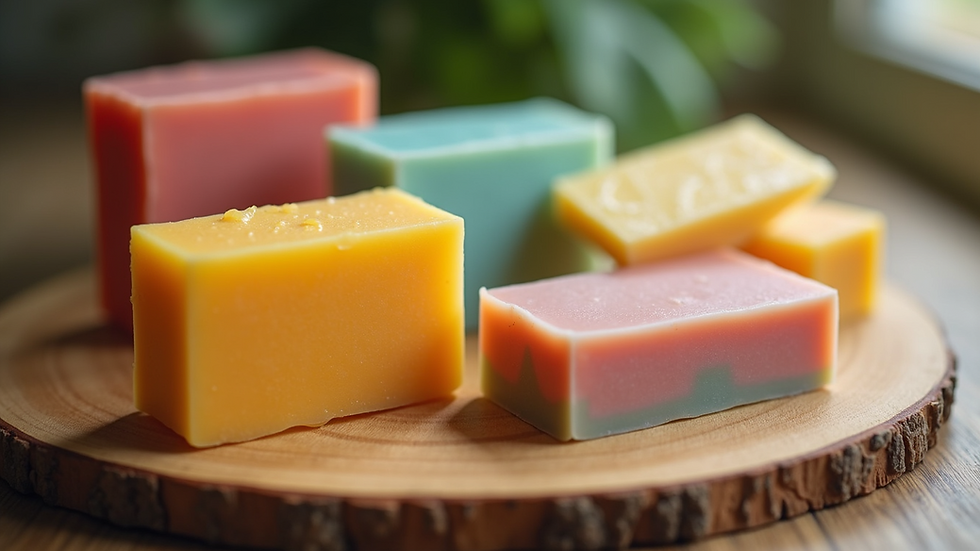
Soap Therapy℠: Unique and playful, this creative wellness experience combines crafting with emotional healing, making it a wonderful option for those seeking something different.
Try a few and see which sparks your interest. Remember, the goal isn’t to create a masterpiece but to enjoy the process and connect with yourself.
Bringing Art Into Your Daily Life
Incorporating art into your routine doesn’t require a big commitment or fancy supplies. Here are some simple ways to start:
Set aside 10-15 minutes a day: Even a short creative break can refresh your mind.
Create a dedicated space: Find a cozy corner with your materials ready to go.
Join a group or class: Sharing your art journey with others can be motivating and fun.
Use art as a mindfulness practice: Focus on the colors, shapes, and sensations as you create.
Keep a journal: Sketch, doodle, or write about your feelings regularly.
Explore Soap Therapy℠ sessions: These unique workshops combine creativity with emotional healing in a supportive environment.
The key is to be gentle with yourself and enjoy the process without pressure. Art is a personal journey, and every stroke or movement is a step toward greater well-being.
Nurturing Your Mind and Spirit Through Creativity
Art is more than just a pastime - it’s a path to self-care and emotional balance. When I embrace creativity, I feel more connected to myself and the world around me. It’s a reminder that healing can be joyful and that we all have the power to express our inner light.
If you’re ready to explore this journey, consider joining creative wellness experiences like Soap Therapy℠. These sessions are designed to help you unlock your emotions, build resilience, and find peace through playful self-expression.
Remember, your mental health is worth nurturing every day. Let art be your companion on this beautiful path to wellness.
Thank you for joining me in this exploration of mental health through art. I hope you feel inspired to pick up your favorite creative tool and start your own journey toward healing and joy.


Comments